

 It is undeniable that being literate is one of the most important things a person needs to achieve in order to have a normal existence. From everyday things such as reading food labels, medication information, or household bills to more complex tasks such as reading and comprehending books and more difficult texts, reading enables a person to lead an independent and, hopefully, fulfilling life.
 The US Department of Education and National Center for Education Statistics differentiate between three types of literacy, “Prose literacy is the knowledge and skills needed to perform prose tasks (i.e., to search, comprehend, and use information from continuous texts, such as paragraphs from stories); document literacy is the knowledge and skills needed to perform document tasks (i.e., to search, comprehend, and use information from non-continuous texts in various formats, such as bills or prescription labels); and quantitative literacy is the knowledge and skills required to perform quantitative tasks (i.e., to identify and perform computations, either alone or sequentially, using numbers embedded in printed materials).” As such, according to their statistics dating from 2003, 22 percent of adults (those who are 16 or older) in the USA perform below basic in quantitative literacy, 14 percent of adults are below basic in prose literacy, and 12 percent in document literacy. Continue reading Literacy in the USA

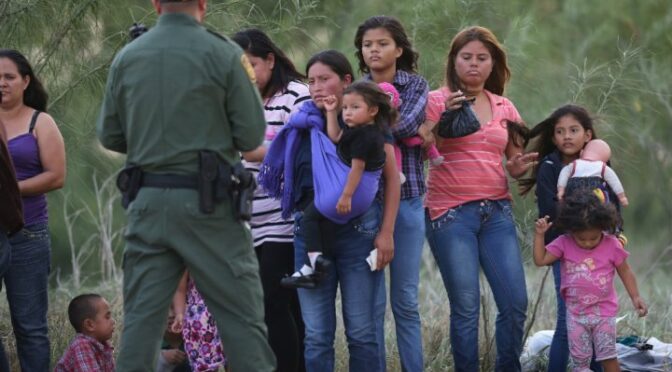
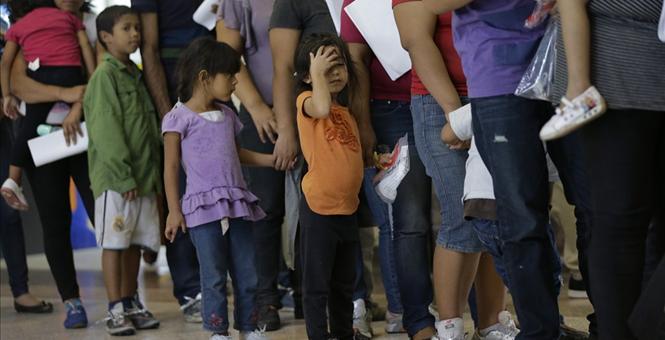
 According to the 1951 Refugee Convention, a refugee is someone who “owing to a well-founded fear of being persecuted for reasons of race, religion, nationality, membership of a particular social group or political opinion, is outside the country of his nationality, and is unable to, or owing to such fear, is unwilling to avail himself of the protection of that country.” As such, asylum seekers differ from refugees in their legal status, i.e. he or she can claim to be a refugee, but unless their claim is definitively evaluated by national asylum centers and they are granted official refugee status, an asylum seeker can be sent back to their home country. To further complicate things, in modern times millions of people choose to migrate in order to seek better opportunities for themselves and their families (for example, the so-called economic migrants), while refugees absolutely have to flee their home countries because of the fear of prosecution. As such, refugees and other types of migrants are subjects to different international and national laws.